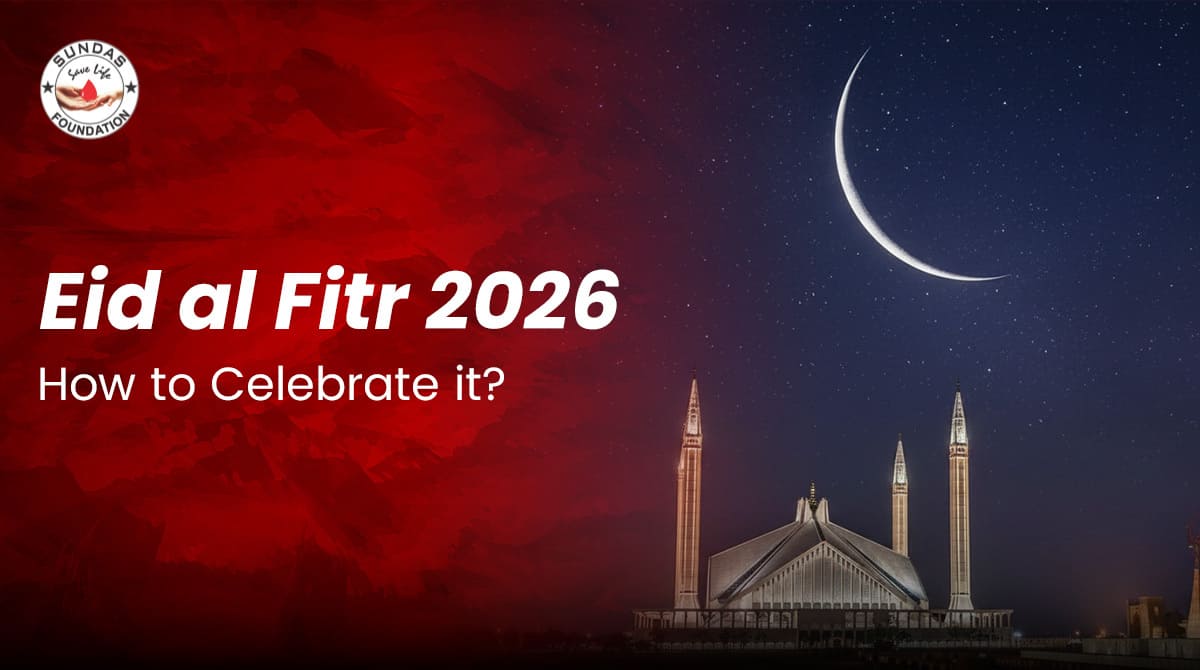
Eid al Fitr 2026 - How to Celebrate it?
Eid al-Fitr is a celebration that marks the end of Ramadan. Eid al-Fitr is celebrated on the 1st of Shawal, and Muslims throughout the world celebrate this event with great joy, passion, and generosity.
This event is considered a reward or celebration from Allah for Muslims as they fasted for the whole month of Ramadan. On this special occasion, Muslims offer prayers, give Sadaqah, prepare and distribute food, and spend time with their families and friends.
This article highlights the meaning and importance of Eid. Additionally, we will discuss what to do and how to celebrate Eid al-Fitr. So, let’s begin understanding the joy of Eid al-Fitr!
What is Eid al-Fitr?
Eid al-Fitr is one of the two major festivals celebrated by Muslims from across the world. Muslims complete the practice of fasting when the Shawal moon is sighted and start celebrating Eid al-Fitr, which lasts for three days.
This three-day celebration comes with joy, gratitude, passion, and kindness. The celebration starts with the Eid prayer, which is a gesture or worshipping and thanking Allah for having this celebration. Throughout the day, Muslims greet each other with a special gesture, distribute food and cash (Eidi), and arrange gatherings and parties.
When is Eid al-Fitr in 2026?
It is expected that Eid al-Fitr will be celebrated in Pakistan on March 20th or March 21st, 2026, depending on the moon sighting. Sometimes, Ramadan ends in 29 days, and sometimes it ends in 30 days. So, every year, the actual Eid day is not confirmed until the Shawal moon is sighted and the officials announce the Eid calendar.
How to Prepare for Eid Prayer?
On Eid al-Fitr, one of the major things to do is to offer Eid prayer. It is considered that without the Eid prayer, Eid is not said to be completed. However, different scholars give different opinions about the Eid prayer.
For example, some scholars said that Eid prayer is mandatory (Farz) while others said that it is a Sunnah to offer Eid prayer and it is not an obligation in Islam. However, as it is a way to worship Allah and a thanksgiving gesture, Muslims must try to offer the Eid prayer. Here is how to prepare yourself for Eid al-Fitr prayer:
> Perform Ghusl: Perform ghusl to purify yourself before attending Eid prayer.
> Wear new clothes: Wear new or clean clothes before going to appear for Eid prayer.
> Put on fragrances: As it is the time to greet others, it is recommended to put attar or fragrances on Eid day.
> Eat dates: Before leaving your home for Eid prayer, eat dates, as it is Sunnah. Anas bin Malik narrated that, “Allah's Messenger never proceeded (for the prayer) on the Day of `Id-ul-Fitr unless he had eaten some dates. Anas also narrated: The Prophet (s.a.w) used to eat odd number of dates. (Sahih al-Bukhari 953)
How to Celebrate Eid al-Fitr?
The celebration of Eid begins with the Eid prayer. However, Muslims perform several practices throughout the day to make the Eid day special and memorable. Here is how one must celebrate Eid al-Fit:
Give Charity
The beauty of the Eid celebration is that it must not be celebrated by yourself only. However, you have to include others in this celebration who are poor and needy. This can happen by giving Sadaqah or charity on Eid days. It is advisable to donate Sadaqah before Eid day, as it helps the poor to get prepared for Eid. It is advisable to offer your Zakat, Fitrana, and other charities voluntarily to help others who cannot even afford their Eid clothes and meals.
Visit Family and Friends
After offering the Eid prayer, usually Muslims visit their family members, relatives, or friends. It is a way to greet them and make them happy on this special day. Eid is considered a day to let go of resentments. Unfortunately, if someone is angry with you, it is the time to embrace them and create a lasting bond with them. In such a way, you not only make people happy, but you also seek Allah’s pleasure.
Prepare and Distribute Special Meals
Among the best practices Muslims follow across the globe is to prepare and distribute special meals on Eid day. In Pakistan, people usually prepare and distribute sweets, which is considered a gesture of happiness. Besides this, people prepare meals and invite their loved ones to consume the meals together. So, Eid is also considered a way to bring your loved ones close and create lasting relationships with them.
Engage in Festivities
In almost all the major areas, communities organize Eid fairs and other activities. You must visit these carnivals with your family, kids, or friends to be engaged in some cultural and festive activities on Eid day.
Give Your Donations to Sundas Foundation on This Eid!
On this Eid, do not forget those who are looking for your help. At Sundas Foundation, hundreds of patients suffering from blood disorders get free treatment. Your donations enable us to manage blood supply, medications, and blood transfusion equipment for Thalassemia and Hemophilia patients. So, this Eid, give your donations to Sundas Foundation and support patients who really need your help to live a better life.
Frequently Asked Questions
When is Eid al-Fitr 2026?
It is expected that Eid al-Fitr will be celebrated on March 20th or 21st, 2026, in Pakistan, depending on the moon sighting.
Why is Eid al-Fitr celebrated?
Eid al-Fitr is celebrated as a gratitude on the end of Ramadan. It is a reward from Allah to Muslims for fasting and being patient throughout the Holy month of Ramadan.
Is Eid al-Fitr prayer mandatory?
Some scholars said Eid prayer is mandatory, while others said it is a Sunnah practice to offer Eid prayer. As Eid is a day of celebration and gratitude, it must start with prayer and worship to Allah.
Is Fitrana obligatory to pay before Eid al-Fitr?
Yes, Fitrana is obligatory to be paid before Eid al-Fitr. If you are eligible, then you must pay it to deserving people to include them in the Eid celebration.
How much Fitrana is required to pay in 2026?
Fitrana is calculated based on the food items we consume throughout the year. Below is the calculated Fitrana amount based on different food items:
> 300 PKR per head on the value of wheat flour.
> 1550 PKR per head on the value of barley.
> 2100 PKR per head on the value of dates.
> 4550 PKR per head on the value of raisins.