How Long Does It Take to Donate Blood?
Want to give your 1st blood donation and wondering ‘how long does it take to donate blood?’ Donating blood is a simple and powerful process that saves the lives of people.
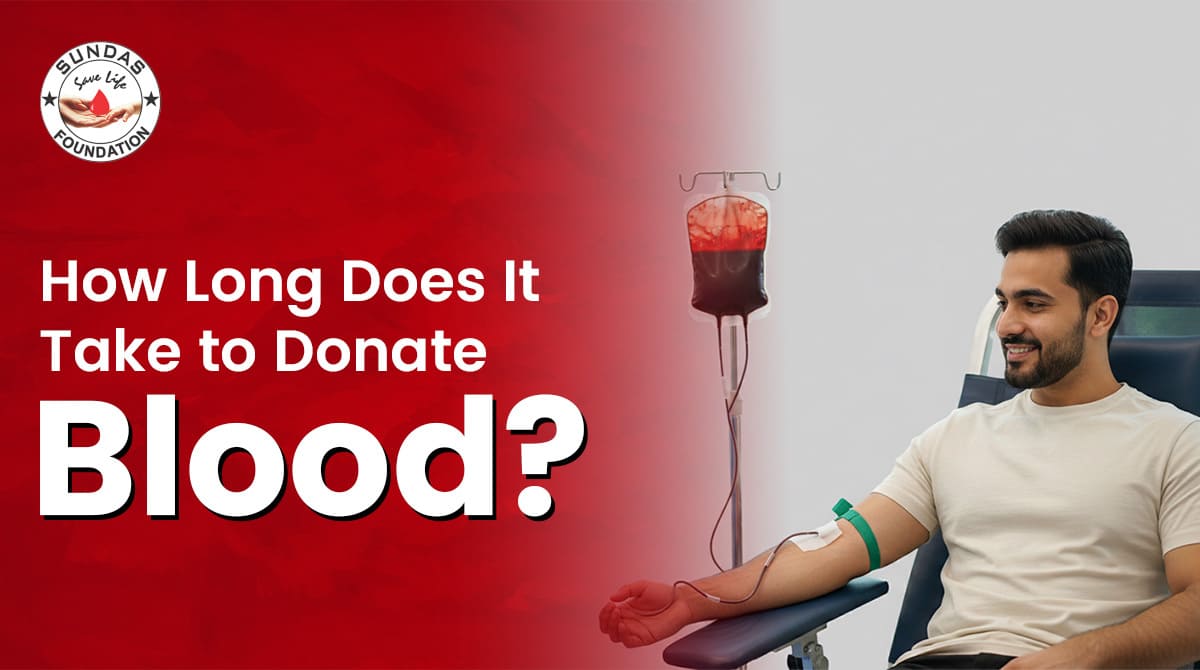
The entire time duration of donating blood depends on the type of blood product a person donates. However, according to a recent study, typical blood-draw time (phlebotomy) ranges from ~6.5 to ~10.7 minutes. The full donation session from entry to exit often completes in about 45–50 minutes under normal conditions.
Therefore, usually the actual drawing of whole blood takes about 8-10 minutes, while a complete whole-blood donation takes about 45–60 minutes. In this blog, we will guide you on how long it takes to donate blood and the step-by-step procedure of donating blood. Read on for the specific!
How to Prepare Before Donating Blood?
A donor needs to meet certain eligibility criteria before donating blood products that are set by the specific blood centers. The procedure involves asking additional questions regarding your medical history to determine that the donor is physically fit for blood donation.
According to the National Heart, Lung, and Blood Institute, Trusted Source
General blood donation requirements for a donor include:
1.Must be at least 16 years old or above( as per state)
2.Must have good health
3.Weight around 50kg (110 pounds)
Here are the types of people who may not donate blood:
1.People with HIV
2.Pregnant women
3.People with sickle cell disease
Here are the essential items that a donor should carry while donating:
1.Identification forms
2.Snacks & drinks
3.Comfortable dress
4.A book, especially for prolonged procedures like apheresis
Moreover, consuming extra water on the donation day can also help to keep the donor hydrated. Because it enhances the likelihood of the blood donation working smoothly. Also, many centers recommend drinking a minimum of 16 extra ounces of water on the donation day.
Navigate the Blood Donation Steps - What is Included in the Procedure?
Blood donation can take place in several settings, such as free blood banks, a blood drive, and a blood donation center. Although donating blood is quick, the overall process can take time due to screening and safety checks. Because it requires some protocols and paperwork to ensure the safety of the donor as well as the patient. Let’s look into some common blood donation steps:
Step 1- Before donating blood
The process of blood donation may vary slightly depending on the site. But it initially involves the following steps:
1.Registering as a donor: First of all, you need to fill out donor registration information, like your name and address. Plus, you need to show a donor card, a driver's license, or any other required identification.
2.Questions: Then, the health practitioner may ask some common questions regarding your health, travel, and medical history.
3.Checks: Before starting the donation process, the professional may check your pulse, temperature, and blood pressure.
Step 2- During the blood drawing
The middle of the blood donation process might include:
1.Wipe the skin: The attendant will gently wipe the spot where the upper arm and forearm meet. Because in this area the veins are near the surface, which makes blood drawing easier.
2.Needle insertion: After wiping the arm, the attendant will carefully insert a sterilized needle into the vein to take the blood. The insertion will feel just like a sting or a pinch. You might feel a bit of discomfort, but it will last for a couple of seconds.
3.Blood drawing: Then, blood naturally starts drawing itself, so you simply need to wait. A pint of whole blood will be drawn in around 10 minutes.
Step 3- Apheresis collection
Blood donation through apheresis involves a bit of a different procedure. In this process, the blood moves through a tube into a machine. Then the machine separates the specific components of the blood, like platelets, plasma, or red blood cells, instead of storing them in a collection bag.
Generally the apheresis process takes around 1.5 to 2.5 hours. Although the process is the same, it may vary depending on what you donate. Once the machine has filtered the blood component donated by you, it returns the blood to the person.
Nonetheless, the entire process of apheresis can take around 2 hours; however, it could be a bit shorter for some donations.
Step 4- Post-Donation recovery
After donating blood products, most healthy donors will not experience any side effects; severe complications of donating blood are rare. However, a few individuals might experience minor side effects, such as nausea or dizziness, only right after donation.
Because of it, usually donation centers recommend the donor sit or rest for some time after donating blood. Also, they may offer you something to drink or eat that helps your body recover.
After apheresis, some adults may experience other mild symptoms like bruising, pain, or bleeding at the needle insertion point. Other symptoms might arise as the body recovers, like lightheadedness, nausea, or dizziness.
Step 5- After the procedure
Although donating blood is safe in most cases, it can cause a temporary drop in iron and blood components from the body. So, certain blood products take more time to return to the body. A donor needs to take care of themselves after giving blood. Here are certain tips that you should follow to replenish nutrients:
1.Adopting a healthy diet, such as consuming protein and iron-rich foods, or supplementation.
2.Treating any bruising around the injected area with an ice pack and a warm compress till it recovers.
Therefore, when you perform the blood drawing process, the product will undergo the process and be stored and utilized when needed. So, if you wish to do this kind act, make sure to donate your blood to support a verified organization like Sundus Foundation.
Supporting Lives Through Sundus Foundation
In Pakistan, the Sundus Foundation works tirelessly to support patients with blood disorders, especially thalassemia. By donating blood through such a trusted non-profit organization, your contribution becomes a lifeline for children and adults who depend on regular transfusions. One hour of your time can give someone the gift of life, and Sundus Foundation ensures it reaches those who need it most.
Moreover, at Sundus Foundation, you can also give financial aid like sadaqah, Zakat, and any kind of charity & funds to support treatment and ongoing care for blood disorder patients.
Blood Donation FAQs
How long does it take to Donate Blood?
An entire blood donation process can take around 45 to 60 minutes, including donation, registration, and recovery. The actual time with the needle in your arm for whole blood donation is generally 8 to 10 minutes, while other types of blood product donation, such as plasma or platelets, can take more time.
Is it Safe for a1st Blood Donation?
Yes, 1st blood donation is safe because the process will be performed by expert medical professionals. They use new, sterile tools for each donor, reducing the risk of contracting infections.
What should I Avoid Before Donating Blood?
Before donating blood, you should avoid fatty foods, heavy workouts, and coming on an empty stomach.
What should you do Before Donating Blood?
Donating blood is a safe procedure. However, if you follow certain steps before donating blood, you can avoid certain complications. Drink a lot of water or fluids (not alcohol) and consume iron-rich food before donating blood.